Varanasi

January 2026

Festivals

Dev Deepawali – The Festival of the Gods

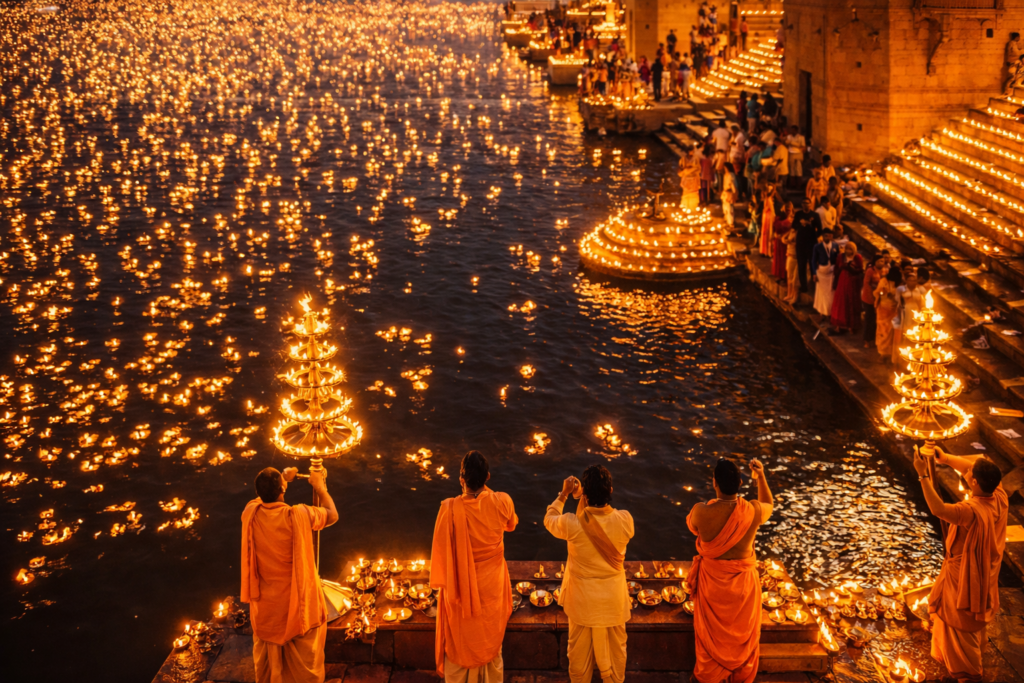
Dev Deepawali is considered the grandest festival of Varanasi, celebrated on the full moon day of Kartik month, fifteen days after Diwali. According to belief, on this auspicious night, 33 crore gods descend to Kashi to bathe in the holy Ganga. The city’s ghats, especially Dashashwamedh, Assi, and Rajendra Prasad Ghat, are illuminated with millions of earthen lamps, creating a breathtaking visual spectacle. The evening is marked by grand Ganga Aarti, Vedic chants, classical music performances, and fireworks over the river. Dev Deepawali symbolizes spiritual enlightenment, divine presence, and the victory of light over darkness. It has also become a major international attraction, drawing photographers, pilgrims, and cultural enthusiasts from around the world.
Temples

Tulsi Manas Temple

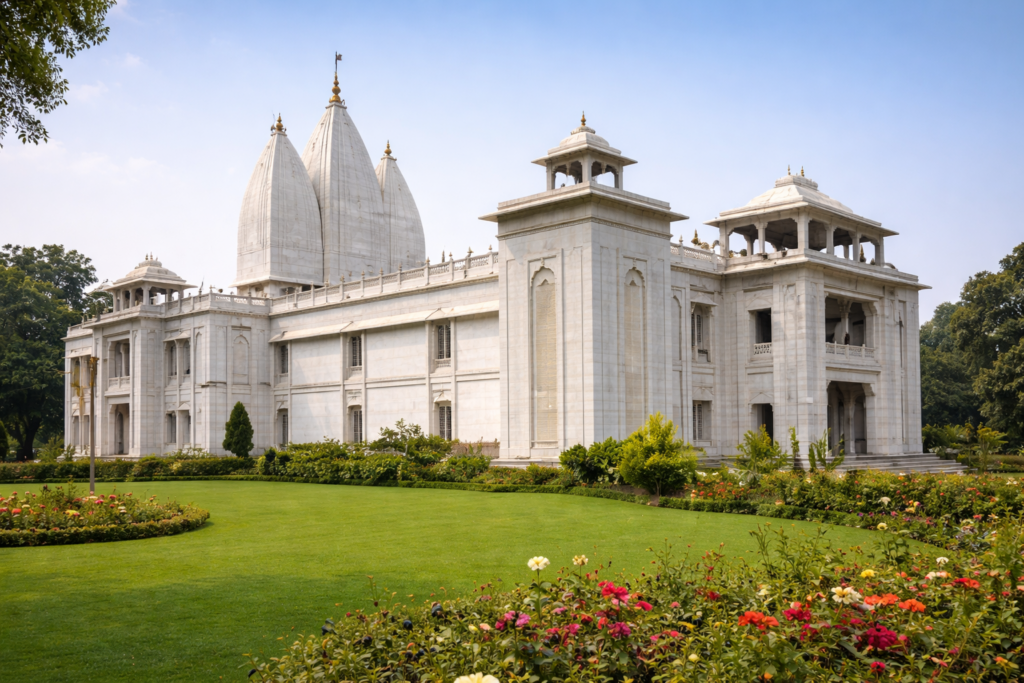
The Tulsi Manas Temple is dedicated to Lord Rama and stands at the site where Goswami Tulsidas composed the Ramcharitmanas. Built in white marble in the 20th century, the temple reflects serenity, devotion, and literary heritage. The walls and pillars of the temple are beautifully engraved with verses and scenes from the Ramayana, making it a spiritual as well as cultural landmark. Unlike older temples, Tulsi Manas Temple has a spacious and clean environment, ideal for meditation and quiet prayer. Daily recitations of Ramcharitmanas, bhajans, and religious discourses attract devotees and scholars alike. The temple offers a calm contrast to the crowded lanes of old Varanasi and is perfect for those seeking inner peace and devotion.

Temples

Durga Temple

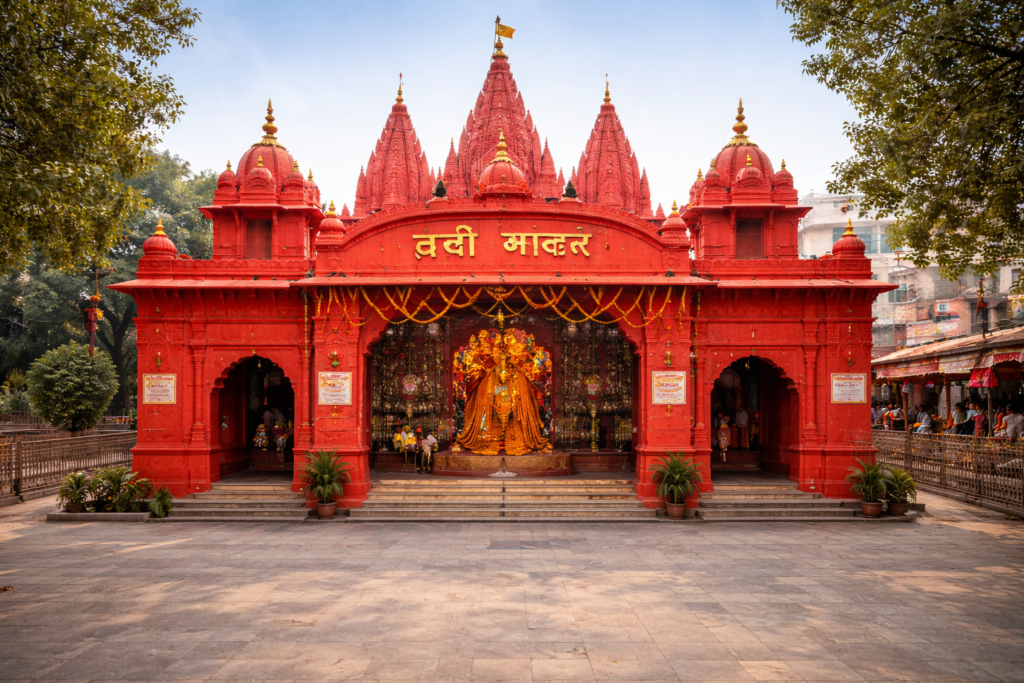
The Durga Temple, also known as the Monkey Temple, is dedicated to Goddess Durga, the embodiment of divine feminine power (Shakti). Built in the 18th century by a Bengali queen, the temple is easily recognized by its bright red color, which symbolizes strength and protection. According to local belief, the idol of Goddess Durga is self-manifested and not man-made. The temple is especially vibrant during Navratri, when thousands of devotees gather for worship, fasting, and celebrations. The rhythmic ringing of bells and chanting of mantras create an electrifying spiritual environment. Situated near the Durga Kund (sacred pond), the temple is also surrounded by many monkeys, which have become an inseparable part of its identity. Devotees pray here for courage, protection from evil, and fulfillment of wishes.

Temples

Sankat Mochan Hanuman Temple

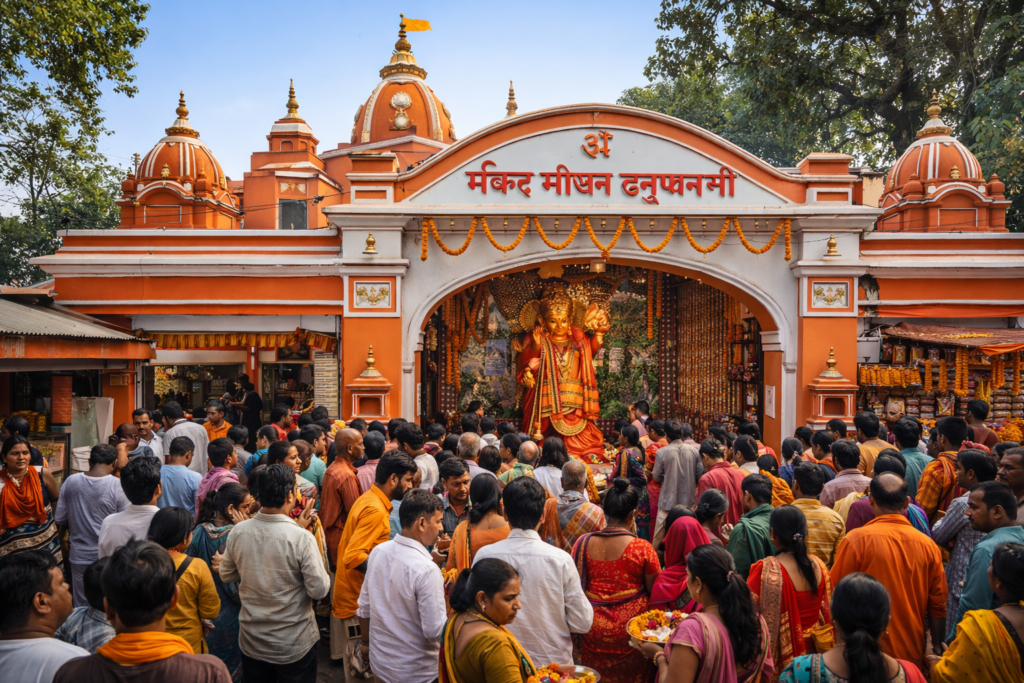
The Sankat Mochan Hanuman Temple is one of the most beloved temples in Varanasi, dedicated to Lord Hanuman, the remover of troubles (sankat). The temple was founded in the 16th century by Goswami Tulsidas, the author of the Ramcharitmanas. Unlike many other temples, Sankat Mochan is known for its peaceful and devotional environment, with strict rules against touching the idol. Devotees offer sweets, flowers, and sacred leaves while chanting the Hanuman Chalisa. The temple complex is also famous for its resident monkeys, which are considered sacred. Every year, the temple hosts the Sankat Mochan Sangeet Samaroh, a prestigious classical music festival featuring renowned artists from across India. Tuesdays and Saturdays are especially crowded with devotees seeking strength, courage, and relief from personal and professional difficulties.

Temples

Kaal Bhairav Temple

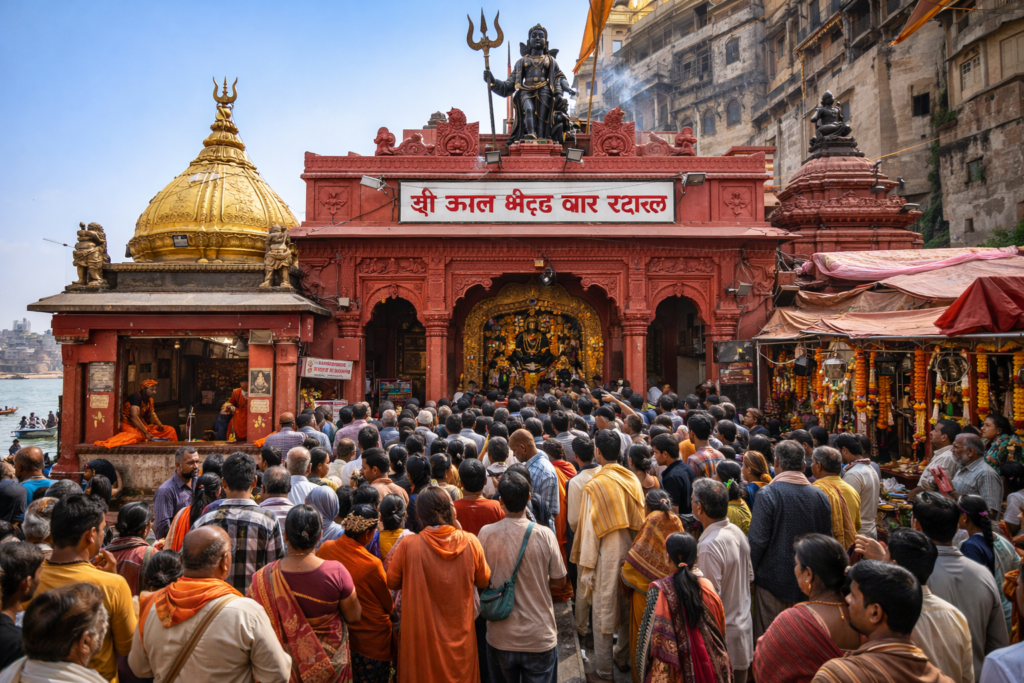
The Kaal Bhairav Temple is dedicated to Kaal Bhairav, a fierce manifestation of Lord Shiva, revered as the Kotwal (protector and chief guardian) of Kashi. It is believed that Lord Bhairav controls the city spiritually and grants permission to devotees before they reside in or leave Varanasi. This temple holds immense tantric and spiritual importance. Devotees believe that without seeking the blessings of Kaal Bhairav, a pilgrimage to Varanasi remains incomplete. A unique feature of this temple is the offering of liquor to the deity, symbolizing fearlessness and transcendence of worldly norms. The idol depicts Kaal Bhairav with a garland of skulls, a trident, and a dog (his vehicle). Tuesdays and Sundays witness heavy crowds, especially among devotees seeking protection, relief from fear, and removal of negative energies.

Temples

Kashi Vishwanath Temple

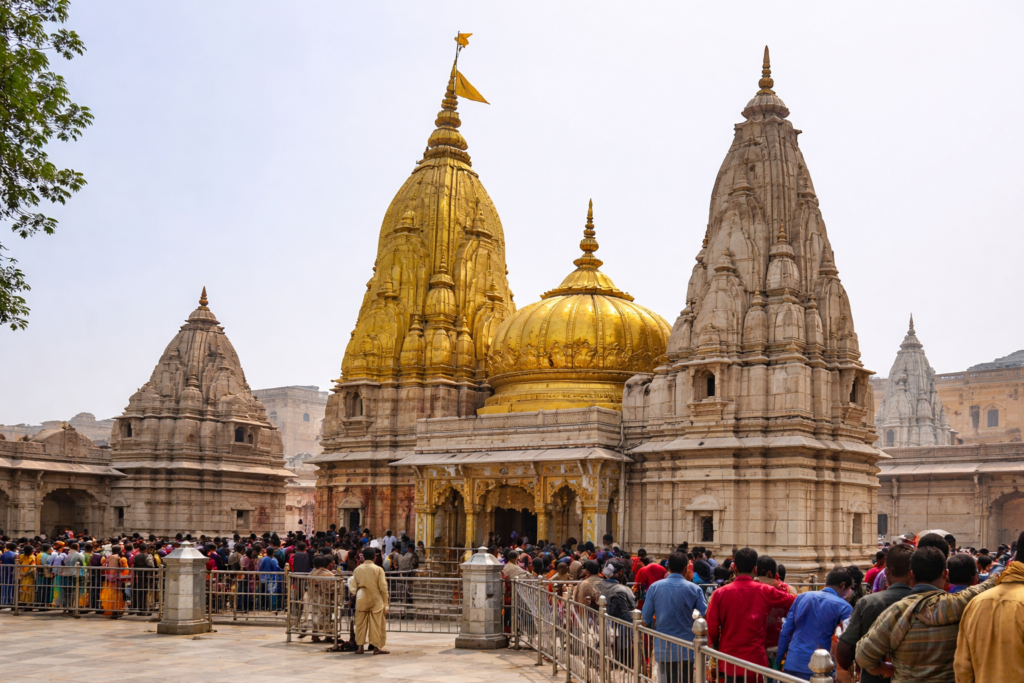
The Kashi Vishwanath Temple is the most sacred shrine in Varanasi and one of the 12 Jyotirlingas of Lord Shiva, making it among the holiest Shiva temples in Hinduism. Located near the western bank of the River Ganga, this temple symbolizes moksha (liberation). According to ancient scriptures, a devotee who worships Lord Shiva here and dies in Kashi attains freedom from the cycle of birth and death. The temple has a long and turbulent history, having been destroyed and rebuilt multiple times. The present structure was built in 1780 by Ahilyabai Holkar, the Maratha queen of Indore. The temple’s golden spire and dome were later donated by Maharaja Ranjit Singh. Today, the Kashi Vishwanath Corridor connects the temple directly to the Ganga, significantly improving pilgrim access. Daily rituals include Mangala Aarti, Bhog Aarti, Sandhya Aarti, and Shringar Aarti, attracting thousands of devotees every day. The atmosphere inside the sanctum is intense and deeply spiritual, filled with chants of “Har Har Mahadev.”